
Does Your Dog Inhale Dinner in 30 Seconds?
If your dog finishes a bowl of kibble before you have even put the bag away, you are not alone. Fast eating is common, especially in excitable puppies, rescues that once competed for food, and breeds that simply love mealtime a little too much. A slow feeder bowl is one of the simplest tools for turning that 30-second inhale into a calmer, longer meal. But do slow feeder bowls really work for dogs, and are they right for yours? The short answer is yes, for many dogs, when the bowl fits the dog and the food.
How a Slow Feeder Bowl Works
A slow feeder bowl has raised ridges, mazes, or bumps inside the bowl. Instead of eating from a flat surface, your dog has to nose, lick, and nudge kibble out from around the obstacles. That extra work naturally slows the pace. Most dogs take several minutes rather than seconds to finish the same portion, and the change is usually obvious on the very first use.
Slowing down is not just about making dinner last longer. Eating too fast can lead to gulping air, choking on large mouthfuls, regurgitation shortly after eating, and an upset stomach. A slower pace gives your dog time to chew, swallow properly, and notice that it is full.
Which Dogs Benefit Most?
Slow feeders help most with dogs that gulp food, eat without chewing, vomit soon after meals, or seem constantly hungry even on a sensible portion. They can also be a gentle form of mental enrichment: working for food uses the brain as well as the mouth, which is especially useful for energetic dogs on rainy days when walks are short.
They are less useful, and sometimes frustrating, for very anxious eaters, flat-faced breeds that already struggle to pick up kibble, dogs with sore mouths or dental problems, and puppies that are still learning to eat confidently. If your dog paws at the bowl, whines, or gives up entirely, the maze is probably too hard for now. Start with a shallow, simple design and build up gradually. If vomiting, bloating, or loss of appetite continues, talk to your veterinarian rather than trying a harder bowl.
How to Choose the Right Slow Feeder
Not every maze suits every dog. Keep these points in mind when you browse feeding supplies for dogs:
- Size matters. The bowl should hold your dog’s full meal without overflowing, with room to work the kibble around. Too small, and food spills; too large, and a small dog cannot reach into the grooves.
- Match the maze to the muzzle. Short-nosed dogs do better with wide, shallow ridges. Long-nosed dogs can handle deeper mazes. Flat, lick-mat style designs suit wet food and small treats.
- Check the material. Look for sturdy, food-safe, non-slip bowls that stay put on the floor. A bowl that slides around the kitchen defeats the purpose and adds frustration.
- Think about cleaning. Maze bowls trap food in corners, so pick one that is easy to wash by hand or is dishwasher-safe. A bowl that is hard to clean quickly becomes a hygiene problem.
- Start easy. If this is your dog’s first slow feeder, choose a simple pattern. You can move to a trickier design once your dog has learned the game.
Introducing a Slow Feeder Without the Stress
Some dogs love a slow feeder instantly. Others need a little coaching. Try this gentle introduction over a few days:
- Day 1: Put a small handful of kibble in the new bowl alongside the usual bowl, so the new bowl means bonus food, not a test.
- Day 2: Serve half the meal in the slow feeder and half in the old bowl.
- Day 3: Serve the full meal in the slow feeder, and stay nearby to praise calm eating.
- If your dog stalls: Sprinkle a few pieces on top of the ridges, or smear a thin layer of wet food on a shallow design, so the first win comes quickly.
Keep portions exactly the same as before. A slow feeder changes the speed of eating, not the amount of food, and overfilling it to compensate will undo the benefit.
Cleaning and Everyday Tips
Wash the bowl after every meal. Soak it briefly if kibble sticks in the grooves, and check the ridges for cracks or wear every week. Replace the bowl if it is chewed or damaged, since broken plastic can harbour bacteria and sharp edges can hurt gums.
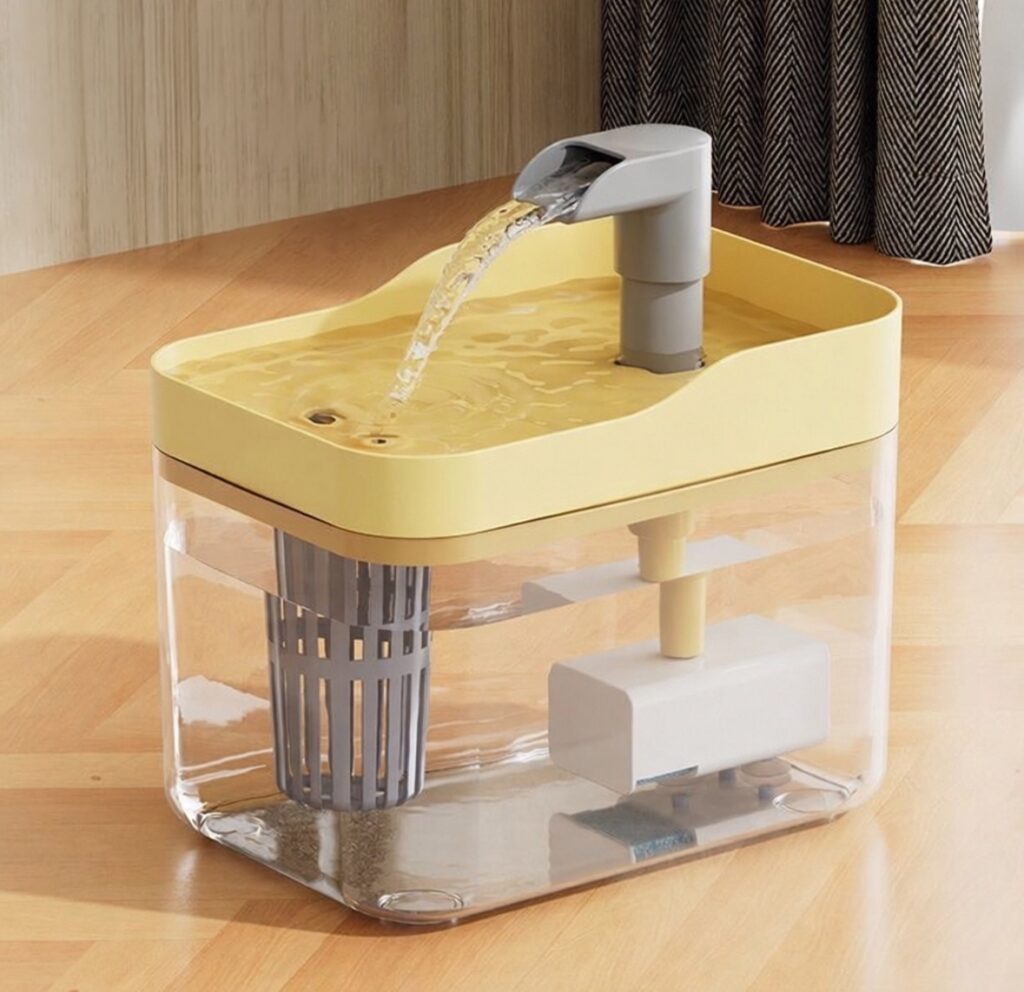
For dogs on wet food, a shallow maze or lick mat is usually easier to clean than a deep maze. For raw-fed dogs, choose a design that can be fully sanitised and dry it thoroughly before the next meal. Always provide fresh water nearby — for example, an automatic circulating pet water fountain ($29.99) — since slower eating is no substitute for hydration.
Other Ways to Slow Down Mealtime
A slow feeder is not the only option. Scattering kibble on the floor or on a snuffle mat, hiding portions around a room, using a puzzle toy, or hand-feeding part of the meal all slow eating and add enrichment. Many owners combine approaches: a slow feeder on weekdays, and a puzzle toy or scatter feed at weekends. If you are shopping for enrichment, the pet toys collection is a good place to find puzzle-style options that suit your dog’s size and chewing style.
Whatever method you choose, watch your dog, not the clock: the goal is a relaxed dog that walks away satisfied, not one stressed by dinner.
Frequently Asked Questions
Do slow feeder bowls work for all dogs?
No. They work well for most healthy gulpers, but they are not a fit for every dog. Flat-faced breeds, dogs with dental pain, and very anxious eaters may need a shallower design or a different approach. When in doubt, ask your veterinarian.
Can puppies use slow feeders?
Yes, with a simple, shallow design and supervision at first. Keep sessions short and positive, and make sure your puppy can actually reach the food.
Will a slow feeder stop my dog vomiting after meals?
It can help if vomiting is caused by eating too fast, but vomiting has many causes. If it happens often, or your dog shows bloating, lethargy, or appetite loss, see a veterinarian promptly.
Are slow feeders good for weight management?
They can help indirectly, because slower eating gives fullness signals time to catch up. They do not replace correct portions and regular exercise. For dogs that need to lose weight, check the feeding guide for your dog’s size and activity level, and see our broader guides for dogs of all sizes.
The Bottom Line
So, do slow feeder bowls work for dogs? For most fast eaters, yes: a well-chosen bowl turns a 30-second gulp into a calmer, more satisfying meal, with less gulped air and less post-meal upset. Choose a size and maze depth that fits your dog, introduce it gradually, keep it clean, and let your dog’s behaviour tell you whether it is working. Dinner should be the best part of your dog’s day, not a race to the bottom of the bowl.