
Why Cats Drink So Little Water
Cats are famously fussy drinkers. Many will walk straight past a full water bowl, then beg for a drink from a running tap. It is not stubbornness — it is instinct. Wild cats got most of their moisture from prey, so domestic cats have a naturally low thirst drive. That is fine for a cat eating wet food, which is around 70% water, but a cat on a mostly dry diet can easily fall short on fluids. Good hydration supports kidney and urinary health, so a few small changes at home can make a real difference.
How Much Water Should a Cat Drink?
As a rough guide, a cat needs about 3.5 to 4.5 ounces (roughly 100 to 130 ml) of water per 5 pounds (2.3 kg) of body weight each day. That total includes the moisture in food, so a cat eating wet food needs far less from the bowl than a cat eating dry kibble.
Do not try to measure every sip. Instead, watch the pattern: a cat that uses the bowl a few times a day and produces normal, pale-yellow urine is probably fine. A sudden change in drinking — much more or much less than usual — is worth a vet visit, as it can signal illness.
1. Put Water Bowls in More Than One Place
One bowl in the kitchen corner is easy for a cat to ignore. Place two or three bowls in different spots — near a favourite sleeping spot, in a hallway, or on another floor. Cats drink more when water is easy to stumble across during their daily rounds. Keep at least one bowl away from the food bowl, since many cats dislike drinking right next to where they eat, and keep water away from the litter box, where it picks up dust and odour. A quiet, low-traffic corner is a much better choice.
2. Refresh the Water Every Day
Cats can smell and taste stale water, and most will refuse a bowl that has been sitting out all day. Change the water daily, and wash the bowl with hot soapy water at least every couple of days to remove the slimy biofilm that builds up on the surface. A clean bowl is often enough to turn a reluctant drinker into a regular one.
Some cats prefer cool water. Dropping in an ice cube on a warm day can make the bowl more interesting, and the gentle movement catches a cat’s eye.
3. Try a Wide, Shallow Bowl
If your cat paws at the water or drinks only from the edge, the bowl may be the problem. Deep, narrow bowls press on a cat’s sensitive whiskers — a discomfort often called whisker fatigue. A wide, shallow dish made of ceramic, glass, or stainless steel lets your cat drink without its whiskers touching the sides. Avoid plastic bowls, which can hold odours and scratch easily, trapping bacteria in the grooves.
4. Offer Running Water with a Pet Fountain
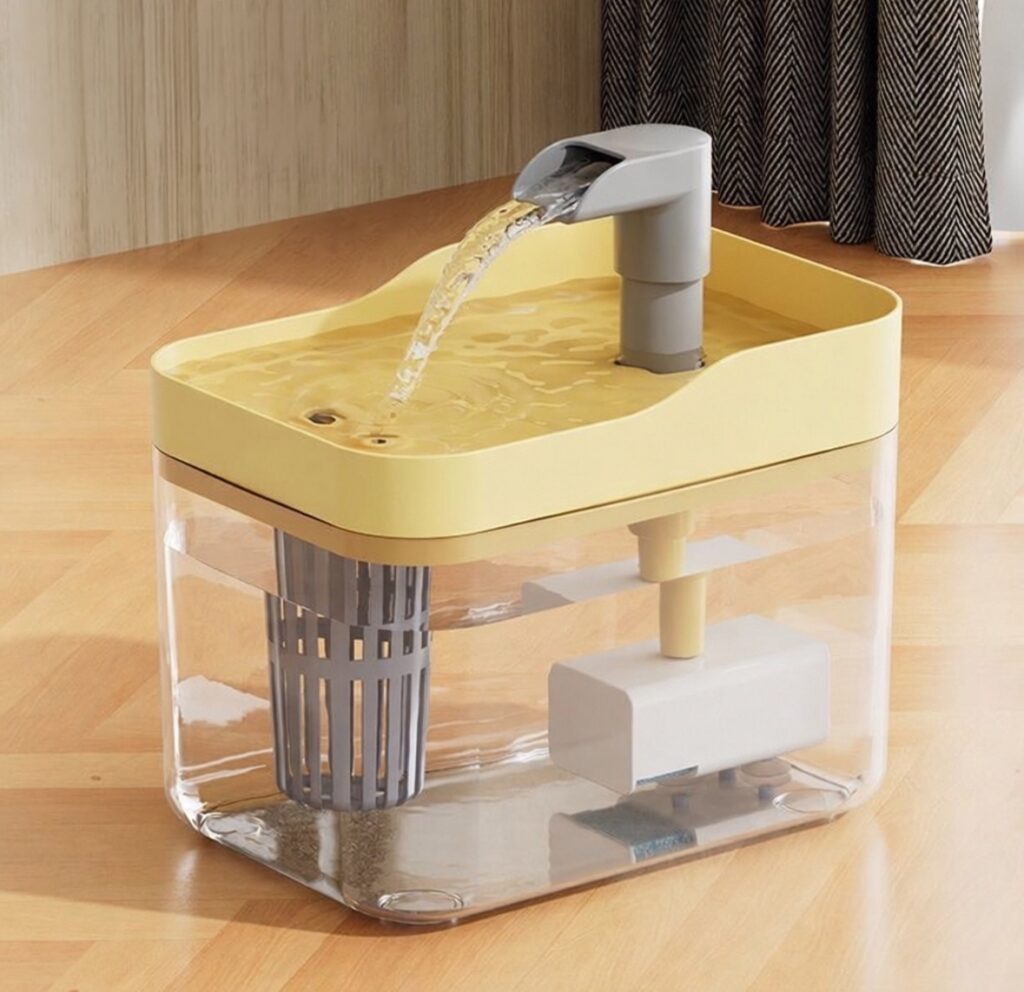
Many cats are drawn to moving water because, in nature, running water is more likely to be fresh. That is why so many cats beg at the tap. A pet water fountain gives them that same appeal at home, around the clock, without a running tap. The gentle flow encourages cats to drink more often and keeps the water oxygenated and fresh.
Our automatic circulating pet water fountain ($29.99) holds 2 litres, runs on a quiet pump under 30dB, and uses three-layer filtration to remove hair, debris, and impurities. Clean it every 3 to 5 days and replace the filter every 2 to 4 weeks, and your cat gets fresh, filtered water all day. For a cat that ignores a still bowl, a fountain is often the single biggest change you can make.
5. Add Wet Food to the Diet
The easiest way to increase a cat’s water intake is through food. Wet food is typically around 70% water, so switching even one meal a day from kibble to wet food can add a significant amount of moisture. For cats that refuse wet food, try adding a spoonful of warm water or low-sodium broth to their kibble — many cats will lap it up happily.
If you are shopping for mealtime supplies, browse our feeding collection for bowls and accessories that suit your cat’s eating style. And remember, food changes should be gradual: mix the new food in over a week to avoid an upset stomach.
6. Make Water Fun and Easy to Find
Cats are curious, and a little novelty can spark interest. Try a bowl on a raised surface or a windowsill where your cat likes to sit, or leave a bathroom tap dripping very gently while you are home. Once you find a setup your cat likes, keep it consistent so drinking becomes a habit.
7. Watch for Signs of Dehydration
Even with good habits, it helps to know the warning signs. A dehydrated cat may have dry or tacky gums, sunken eyes, less elastic skin, and noticeably less energy. A simple check is to gently pinch the skin between your cat’s shoulder blades: in a well-hydrated cat it springs back immediately, while in a dehydrated cat it returns slowly. If your cat stops drinking entirely, drinks far more than usual, or shows lethargy, vomiting, or a loss of appetite, contact your veterinarian promptly — increased thirst can be a symptom of kidney disease, diabetes, or thyroid problems, and early treatment makes a real difference.
Frequently Asked Questions
How can I tell if my cat is drinking enough water?
Look for regular bowl visits, normal energy, moist pink gums, and pale-yellow urine. A cat eating wet food will naturally drink less from the bowl, which is normal. A sudden change in either direction deserves a vet check.
Is tap water safe for cats?
Yes, in most areas, the same tap water that is safe for you is safe for your cat. If your tap water is very hard or heavily chlorinated, filtered water is a fine alternative.
Why does my cat drink from the tap but not the bowl?
Cats are attracted to running water because it signals freshness. A pet fountain recreates that appeal without wasting water, and moving the bowl away from the food dish often helps too.
Can I add anything to my cat’s water to make it more appealing?
A small amount of low-sodium chicken or fish broth can encourage drinking, and some cats like an ice cube. Avoid milk — most adult cats are lactose intolerant — and never add anything sweetened or flavoured with onion or garlic, which are toxic to cats.
The Bottom Line
Getting a cat to drink more water rarely needs a big intervention. Fresh water in a clean, wide bowl, placed away from food and litter, plus a fountain for cats that love running water and some wet food in the diet, covers most cases. Try one change at a time and watch what your cat responds to — the best setup is the one your cat actually uses. For more ideas, explore our supplies for cats of all ages.