
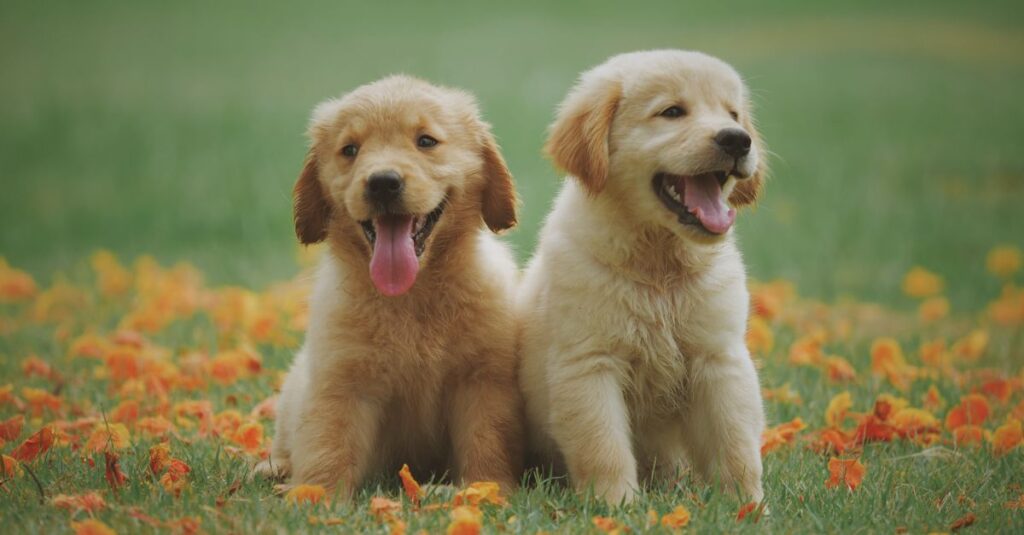
Bringing home your first dog is exciting — and a little overwhelming. One minute you are picking a name, the next you are wondering what you actually need before that first night. This first-time dog owner checklist covers the ten essentials that make the first week calmer for both of you. Get these ready before your puppy comes home, and you will spend less time shopping and more time settling in.
- Food suited to your dog’s age and size
Start with the food your breeder or shelter was already using, then change gradually if your vet suggests a different one. A sudden switch often causes an upset stomach. Choose a formula made for your dog’s life stage — puppy, adult, or senior — and follow the feeding guide on the bag as a starting point, adjusting with your vet’s advice. Keep treats small and count them toward daily food, especially while you are still learning how much your dog needs.
- Bowls and feeding essentials
You need two sturdy, easy-to-clean bowls: one for food and one for fresh water. Stainless steel or ceramic bowls are a good choice because they are durable and simple to wash. Put them in a quiet corner away from heavy foot traffic, and wash them daily. Fresh water should always be available, and a regular feeding routine helps with house training too, because meals at the same times each day lead to more predictable bathroom breaks. Browse the store’s feeding essentials for bowls and related basics that fit your space.
- A comfortable bed of their own
Dogs sleep a lot, and puppies sleep even more. A bed gives your dog a clear place to rest and helps them learn where they belong in the house. Put it somewhere warm, draft-free, and close to the family at first — most new dogs settle faster when they are not isolated. Washable covers are worth it: accidents and muddy paws happen. If you are choosing between sizes, pick one your dog can stretch out on fully. A good range of dog beds makes it easier to find the right size for a small puppy or a large adult.
- A safe carrier backpack for trips
You will need a safe way to take your dog to the vet, to training, and on outings before they are fully vaccinated or leash-trained. A carrier backpack keeps small and medium dogs secure and leaves your hands free. Check the weight limit, ventilation, and whether your dog can sit and turn comfortably inside. Let your dog sniff and explore the carrier at home first, with treats inside, so it feels like a safe place rather than a scary box.
- Collar, leash, and ID
A well-fitting collar with an ID tag is essential from day one, even if your dog is microchipped. Add a standard leash for walks and a shorter lead for busy streets. Check the fit often in the first months: you should be able to slip two fingers under the collar, and puppies outgrow collars faster than you expect. A harness can be a kinder option for dogs that pull, especially small breeds.
- Grooming basics
Grooming is not just about looking good — it is how you spot skin problems, mats, and ticks early. A brush suited to your dog’s coat, a gentle dog shampoo, and nail clippers or a grinder cover most needs. Brush short coats once a week and longer coats more often, and introduce grooming slowly with treats so your dog learns to enjoy it. Never use human shampoo, which can dry out a dog’s skin.
- Toys and enrichment
Chewing, sniffing, and playing are how dogs learn and burn off energy. Offer a mix: a chew toy for teething, a puzzle or treat-dispensing toy for quiet time, and a ball or tug toy for play with you. Rotate toys every few days to keep them interesting, and always supervise a new toy until you know how your dog plays with it. Remove any toy that starts to break apart.
- House-training supplies
Accidents are part of the first weeks, not a failure. Stock up on enzymatic cleaner, which removes odors that would otherwise draw your dog back to the same spot, plus plenty of poop bags and paper towels. Take your puppy out first thing in the morning, after meals, after play, and before bed. Praise calmly when they go in the right place, and avoid punishment for accidents — it only makes them hide next time.
- A vet visit in the first week
Book a vet visit within the first few days, even if your dog seems healthy. Bring any vaccination or health records from the breeder or shelter, and ask about vaccines, parasite prevention, feeding, and spaying or neutering. This first visit also gives you a trusted contact for the questions that will come up later. Write down your vet’s phone number and emergency hours somewhere easy to find.
- A routine — and patience
Dogs thrive on routine. Similar times for meals, walks, play, rest, and bedtime help a new dog feel safe much faster than a house full of new rules every day. Keep early training sessions short, positive, and fun, and remember that settling in takes time. Many shelters use the 3-3-3 guideline as a rough picture: about three days to decompress, three weeks to learn your routines, and three months to feel fully at home. Some dogs settle faster, some slower, and both are normal.
Frequently asked questions
What should I buy before my puppy comes home? Start with food, bowls, a bed, a collar and leash, a carrier, grooming basics, toys, and cleaning supplies, and book a vet visit. You can add extras later once you know your dog’s size, coat, and habits.
How much does it cost to prepare for a first dog? It varies a lot by size and brand, but budgeting for the essentials above plus the first vet visit and a month of food gives a realistic starting point. The store offers free shipping on orders over $50 and a 30-day return policy, which helps if a size or style does not work out.
When should a new dog meet visitors and other pets? Let your dog settle for a few days first, then introduce new people and pets gradually in calm, controlled meetings. Ask your vet about timing for wider socialization, especially before vaccinations are complete.
Final thought
You do not need to buy everything at once. Cover these ten essentials, keep the first week calm and predictable, and adjust as you learn what your dog loves. A prepared home makes the happy chaos of a new dog much easier to enjoy.